Newsletter
Join the Community
Subscribe to our newsletter for the latest news and updates
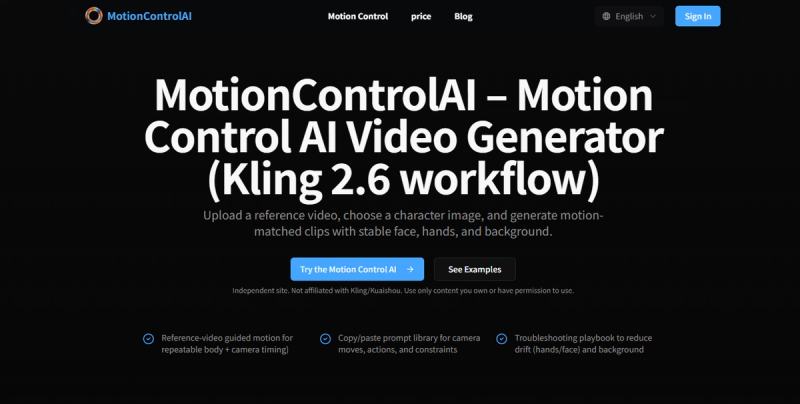
MotionControlAI – Motion Control AI Video Generator (Kling 2.6 workflow) Upload a reference video, choose a character image, and generate motion-matched clips with stable face, hands, and background.
Submit your own product to reach creators and founders looking for the next tool to try.
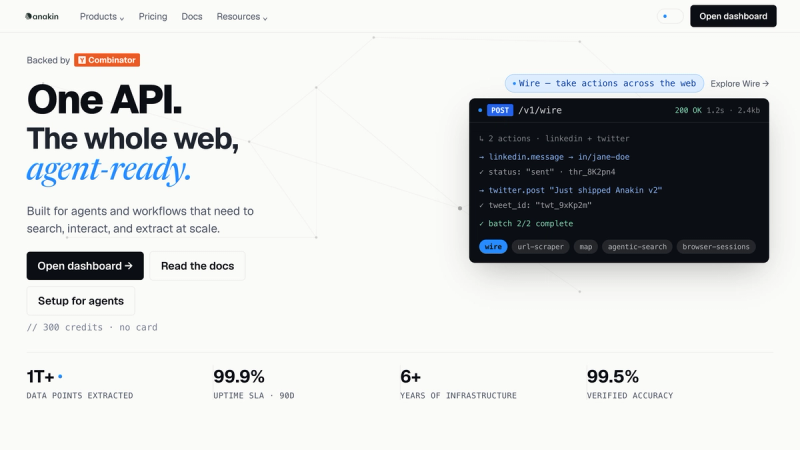
One web data API for content creators. Pull clean text from any page, monitor competitors, track how your brand appears on ChatGPT and Gemini, and run deep research automatically. Used by newsletters, agencies, and independent creators.

A pact network that helps founders prepare for their Product Hunt by finding support from fellow founders.

AI sales agent that automates LinkedIn outreach to find prospects, send messages, and book meetings.
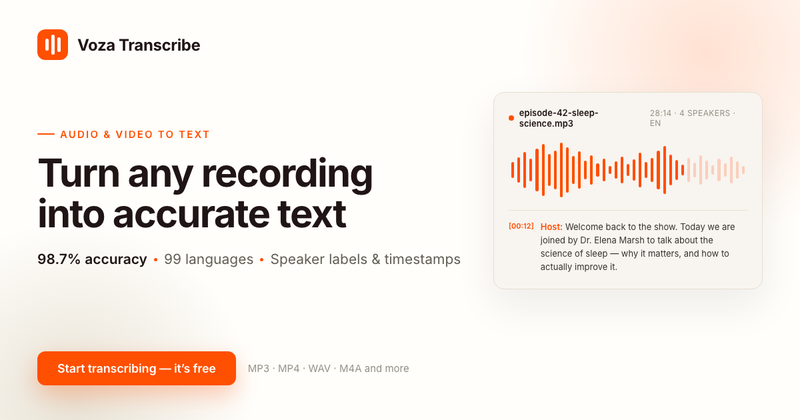
Free online audio to text converter that turns MP3 and 45+ audio formats into 99-language transcripts with timestamps and speaker labels.
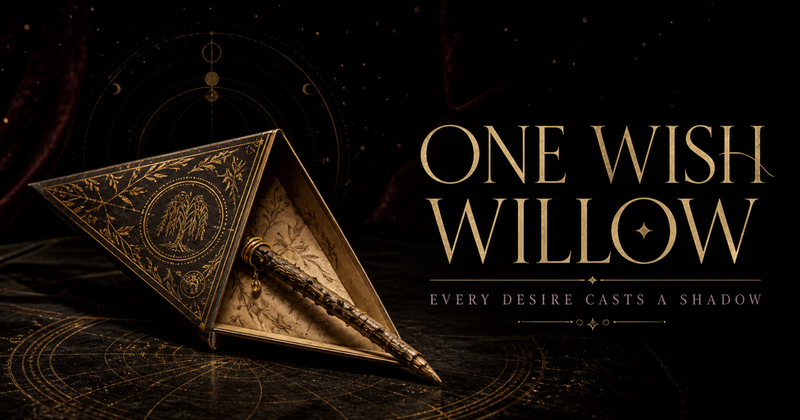
A free browser-based 3D ritual where you break a virtual willow branch and receive an AI-written consequence for your wish.

Weekly startup launch platform where founders showcase new products, get community votes, and grow faster.
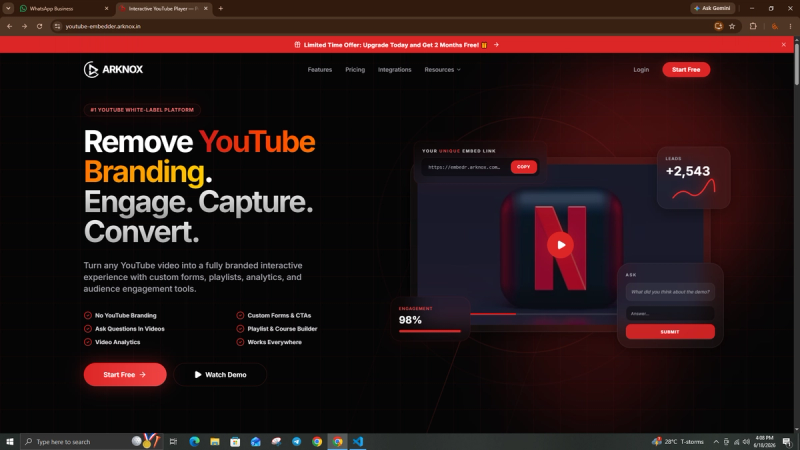
Interactive YouTube embeds with polls, quizzes & lead form
MotionControlAI is a web-based AI video generator that animates a character image by copying the motion from a reference video, using a Kling 2.6 workflow to keep face, hands, and background stable.
MotionControlAI is an independent web tool that generates motion-matched video clips from two inputs: a reference video and a character image. You upload or paste a URL for both, optionally add a text prompt, choose a resolution, and the service produces a new video where the character performs the motion from the reference. The site runs in the browser, requires credits for generation, and is not affiliated with Kling or Kuaishou even though it uses Kling 2.6's motion control workflow.
The workflow has three main steps: 1) choose a clean reference video with stable framing and minimal occlusion; 2) pair it with your target character image, since image-to-video is often more controllable; 3) generate variations and refine prompts. In the tool itself, you upload or paste URLs for the reference video and character image, optionally enter a prompt, select a resolution, and click generate.
Generation is credit-based. The site states that credits are required and that 720p uses fewer credits, while 1080p costs more. No specific credit prices or tiers are listed.
Motion control AI uses a reference clip to guide movement and timing — body motion, gestures, and camera dynamics — so results are more repeatable than standard text-to-video approaches.
Yes, the workflow is reference-video guided: you upload a reference video to define the motion, then pair it with a character image. The site includes sample reference videos to get started.
Describe camera moves explicitly using terms like pan, dolly-in, orbit, and handheld, and add constraints like subject centered, no jitter, and stable background. The site provides ready-to-copy prompt templates.