Newsletter
Join the Community
Subscribe to our newsletter for the latest news and updates
Extremely fast Bilibili live stream recording, automatic clipping, automatic rendering of bullet comments and subtitles, and posting to Bilibili. It integrates various modal models and is compatible with low-end machines.
github.com (powered by turbo0)
github.com (powered by turbo0)
Submit your own product to reach creators and founders looking for the next tool to try.
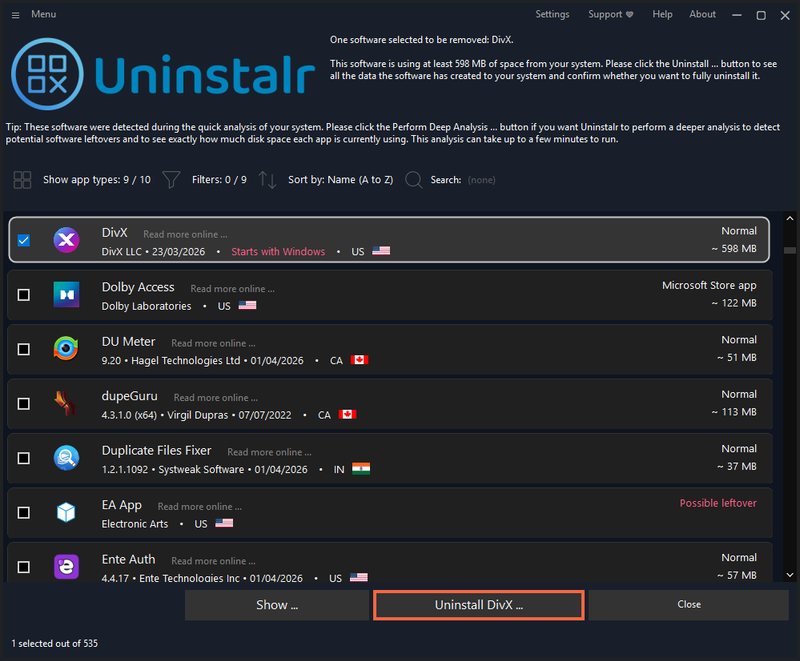
A lightweight Windows tool for batch and unattended uninstallation of software, supporting 15 app types.

A powerful AI image processing tool
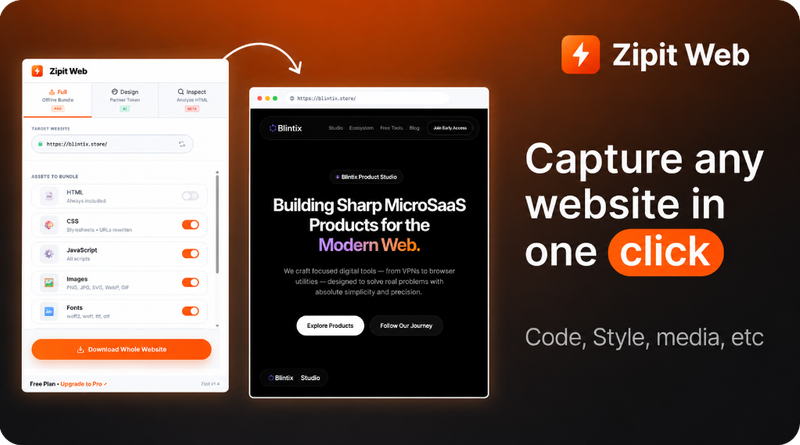
Extract code, design tokens, fonts, colors, media, and UI components instantly from any website. No installs needed.
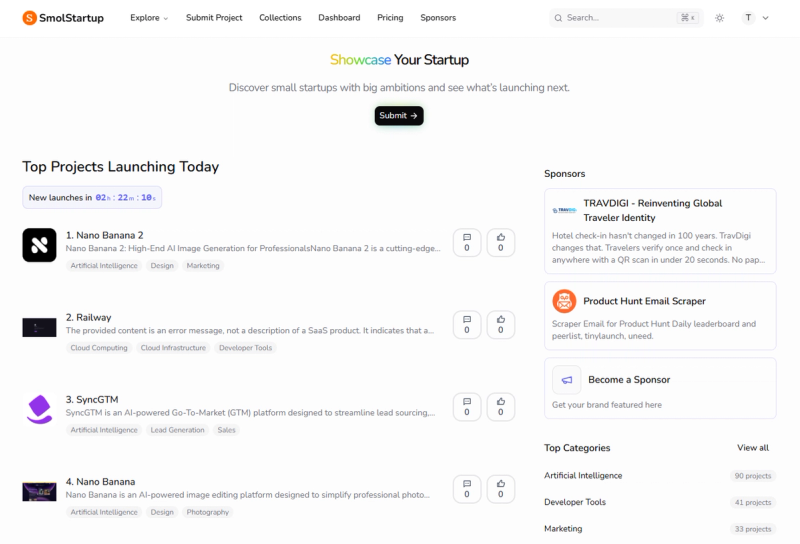
Smol Startup is a platform to discover and upvote the best tech products, helping users find top products launching daily.

Public Instagram data (profiles, posts, reels, stories, hashtags, locations) through one clean, fast, well-documented API. Pay per request, no approvals.

Turn raw data into client-ready PDF reports in under 60 seconds. Upload CSV or connect Google Sheets — AI writes insights, builds charts, and brands every page.
bilive is a fast, open-source Bilibili live stream recording and automatic processing tool that records, renders danmaku and subtitles, clips highlights, and uploads videos to Bilibili, designed to run on low-end hardware including ARM64 servers.
bilive is an automated Bilibili live stream recording and post-production system developed by the GitHub user timerring. It monitors multiple Bilibili live rooms 24/7, records the video stream and danmaku (bullet comments), and then processes the recording into a polished final product with embedded danmaku, speech-to-text subtitles, and automatically generated highlights and covers. The tool runs as a service on Linux (including x64 and ARM64), can be deployed via Docker, and requires no GPU for basic operation, making it suitable for low-cost cloud servers or old hardware.
bilive splits the process into three modes: pipeline (fastest, requires GPU for parallel ASR and rendering), append (serial ASR then rendering, lower VRAM), and merge (waits for entire stream to finish, outputs a single full recording). The recording is handled by the blrec library with a web UI for live configuration, while uploading uses bilitool. The typical workflow is: clone the repo, install dependencies, configure bilive.toml and settings.toml, run ./record.sh to start recording, then ./upload.sh to begin processing and uploading finished videos.
No. The core recording and danmaku rendering work on CPU only. GPU is optional for local Whisper speech recognition (NVIDIA with >2.7GB VRAM) and for the pipeline mode's parallel processing. The default ASR method is set to none to avoid GPU dependency.
Yes. Add multiple [[tasks]] entries in settings.toml with different room IDs. Each room gets its own recording and processing pipeline.
Yes. After recording and processing, bilive uses the bilitool submodule to upload videos (including multi-P segments) and highlight clips to your Bilibili account. You must log in once via QR code using the Bilibili app.
Yes. bilive is open-source under the Apache-2.0 license. All features are free. You only pay for any external API services you choose to use (e.g., Groq Whisper API, MLLM model API keys).
Linux (amd64 and arm64). Windows users can run it via WSL. Docker images are available for both architectures.