Newsletter
Join the Community
Subscribe to our newsletter for the latest news and updates
Free AI tool to transcribe video to text online — YouTube, MP4, MOV, TikTok, with speaker labels and AI summary in 100+ languages.
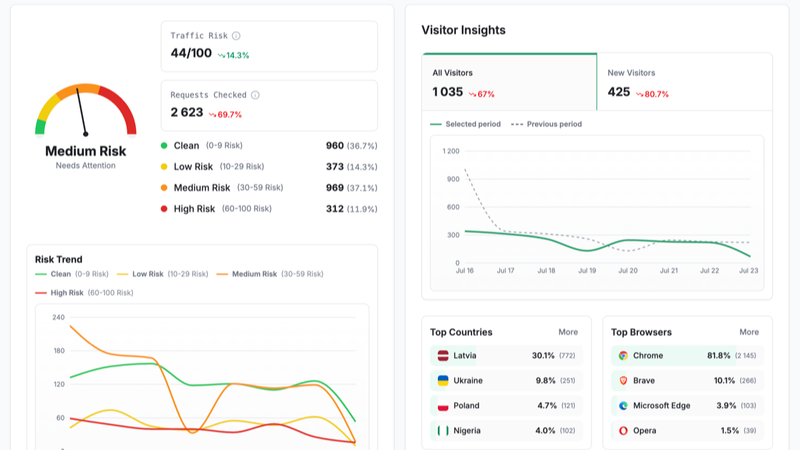
Traffic, search & AI signals for videotranscribe.net.
Third-party traffic estimate · Updated Sep 9, 2026
Submit your own product to reach creators and founders looking for the next tool to try.
Video Transcribe is a free, browser-based AI tool that converts video and audio—including YouTube links, MP4, MOV, and meeting recordings—into text transcripts with speaker labels and AI-generated summaries, no sign-up required.
Video Transcribe is an online video-to-text transcriber that processes uploaded video or audio files and YouTube URLs directly in your browser. It outputs a full transcript with automatic speaker labels, timestamps, and a structured AI summary, then lets you export the result to TXT, DOCX, PDF, SRT, VTT, or JSON. The service supports over 100 languages with auto-detection and mixed-language audio, and files are deleted from its servers after processing. It is a product of the Video Transcribe team, presented as a free tool with optional paid plans.
Video Transcribe is built for anyone who needs fast, accurate transcripts from spoken audio or video. Content creators repurpose YouTube and TikTok videos into blog posts, captions, or social clips; sales teams turn call recordings into shareable summaries and action items; UX researchers and journalists transcribe interviews without manual labor; and teachers or students convert lectures and Zoom meetings into searchable notes. The tool also serves podcasters who need show notes and remote teams that record meetings in Microsoft Teams, Google Meet, or Webex.
The process takes three steps: upload a video or audio file (or paste a YouTube link), let the AI transcribe the content automatically with speaker labels and language detection, then copy, download, or share the resulting transcript. Transcription runs in the browser without requiring local software such as Python or FFmpeg, and the service handles recordings up to 2GB per file.
Video Transcribe is free to use with no sign-up required, allowing uploads up to 2GB per file without an account. The site also mentions paid plans in its refund policy (14-day window, with usage deducted at $0.035 per minute), but tier names and price points are not listed on the page.
Yes. Video Transcribe requires no sign-up or credit card. You can upload a file, paste a YouTube URL, or record audio directly in the browser and start transcription immediately.
Video files: MP4, MOV, M4V. Audio files: MP3, M4A, WAV, OGG, FLAC. Each upload is limited to 2GB. YouTube links have no file-size limit, only duration constraints.
Yes. Speaker recognition is built in, automatically labeling each speaker in recordings from Zoom calls, Teams meetings, and interviews. The result is a clean transcript without manual separation.
You can export transcripts to TXT, DOCX, PDF, SRT, VTT, or JSON with a single click. All exports include speaker labels and timestamps.
Accuracy is described as highly accurate across 100+ languages, with the AI handling accents, crosstalk, and background noise. Actual accuracy depends on audio quality, speaker clarity, and noise level.