Newsletter
Join the Community
Subscribe to our newsletter for the latest news and updates
The viral life assessment test. Measure your life direction, capability, and archetype with Big 5 psychometrics, cognitive aptitude, and Jungian archetypes.
Submit your own product to reach creators and founders looking for the next tool to try.
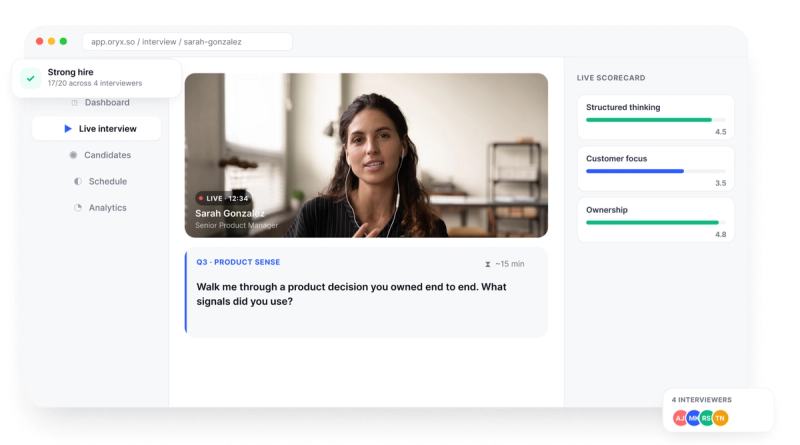
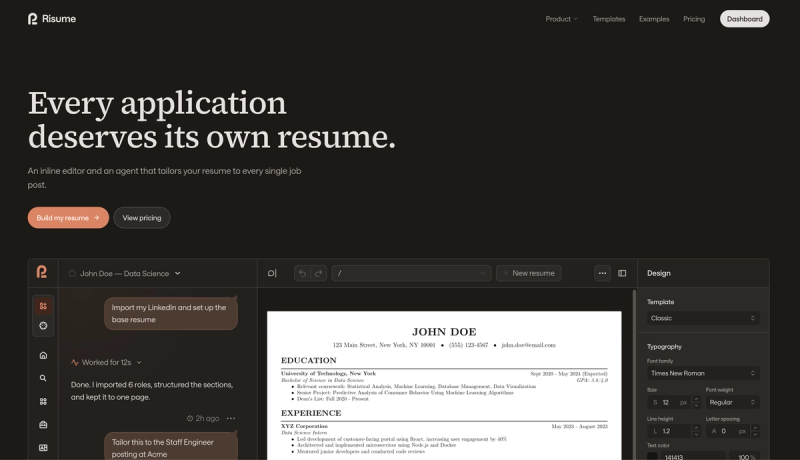
Most hiring tools organize candidates. Oryx structures how you interview and evaluate them: interview guides per stage, live scorecards during the call, and side-by-side team scoring so decisions rest on evidence, not gut feel.
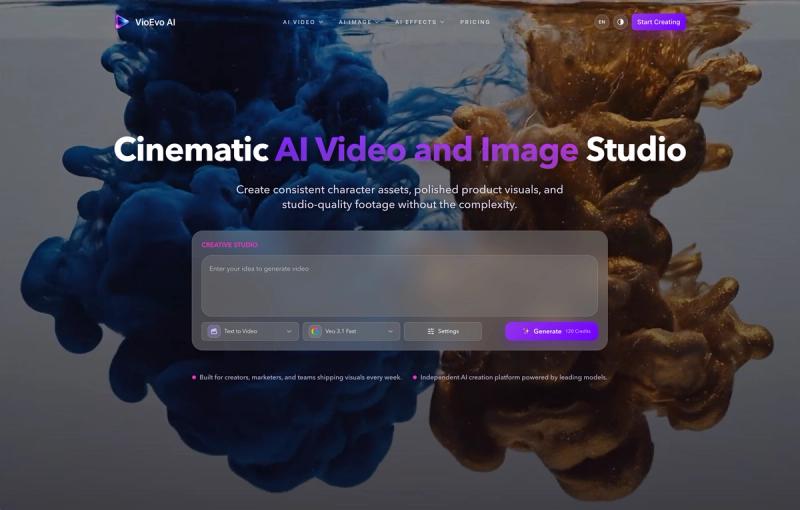
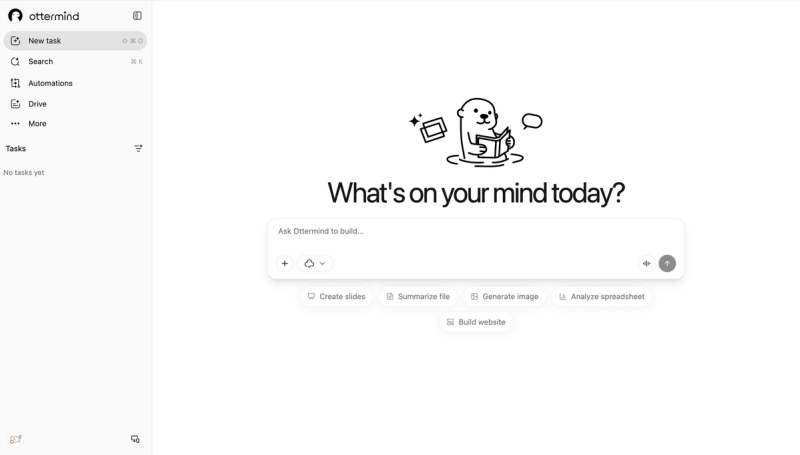
Create AI images and videos with leading AI models.
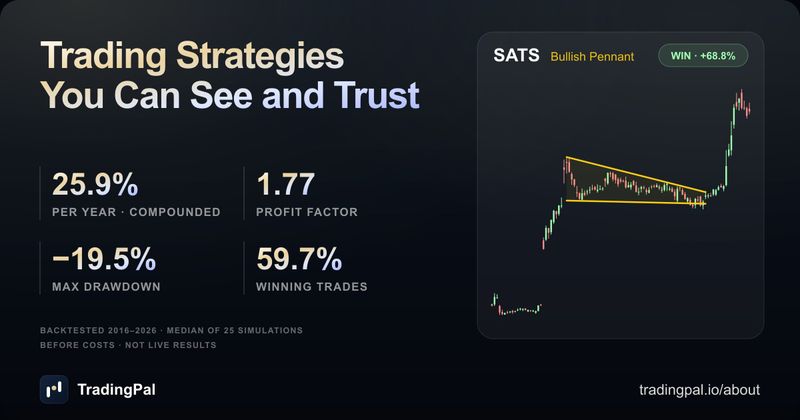
TradingPal finds wedges, trendlines, and consolidation breakouts across stocks, crypto, and ETFs - each with a historical track record.
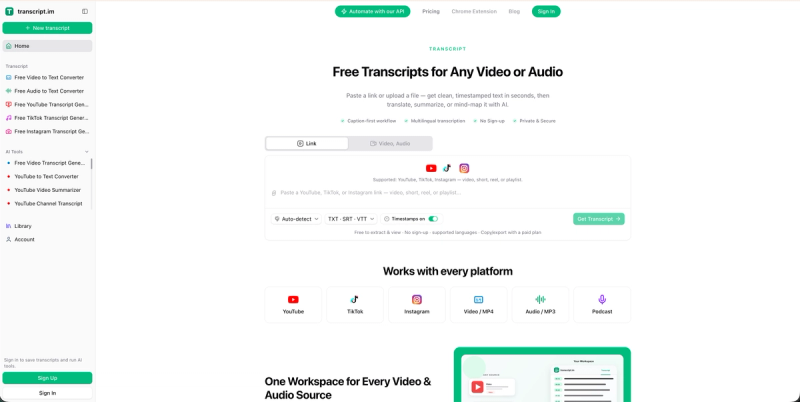
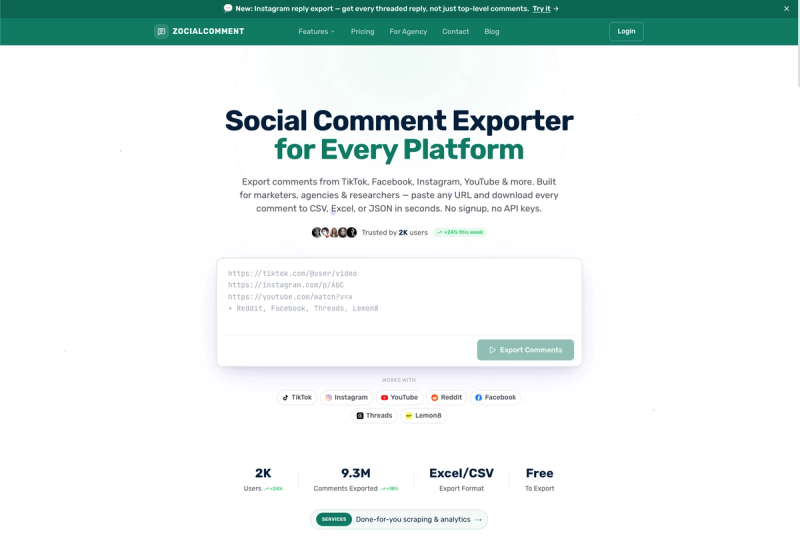
Free Transcripts for Any Video or Audio
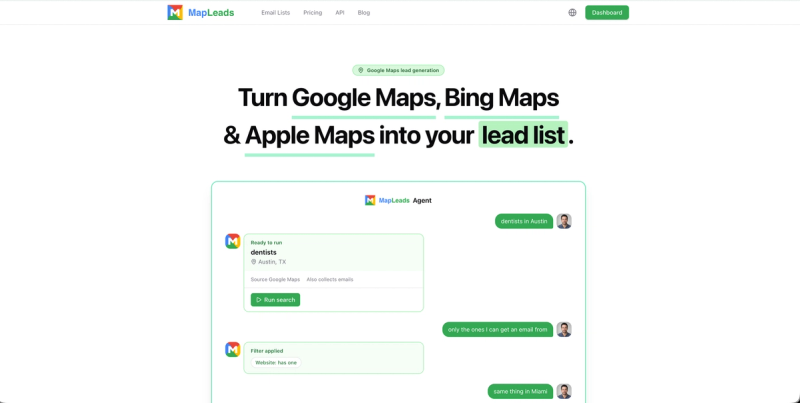
Extract and enrich business leads from Google Maps, Apple Maps, and Bing Maps with emails, social profiles, and more.
LifeScore is a web and iOS psychometric testing platform that combines the Big Five personality model, fluid intelligence (IQ) testing, and Jungian archetypal analysis into a single 0–200 LifeScore.
LifeScore is a research-backed life assessment platform that synthesises the Five Factor Model (Big 5), Jungian Archetypal Psychology, and modern Cognitive Ability Testing into a single, actionable score. You answer a short series of questions (the site says the full assessment takes about 60 seconds), and the proprietary multi-nodal algorithm produces a composite score from 0 to 200, plus breakdowns across six metrics: Intelligence, Discipline, Social Skill, Emotional Health, Purpose, and Lifestyle. The platform runs in the browser and is also available as a native iOS app. It was launched in 2024 and has analyzed over 120,000 assessments.
LifeScore asks you to complete one or more short assessments — the full audit takes about 60 seconds. The proprietary multi-nodal algorithm then deconstructs your responses into six tangible metrics (Intelligence, Discipline, Social Skill, Emotional Health, Purpose, Lifestyle) and produces a 0–200 composite score. Results are benchmarked against a global database of over 120,000 assessments.
LifeScore is free to use on the web and iOS.
Yes, LifeScore is free to use on both the web and the iOS app. The site does not mention any paid plans, so you can take the full assessment and access the directories without a subscription.
Your LifeScore (0-200) is a composite measure of your psychological architecture, combining cognitive ability, personality traits, and archetypal patterns. It is benchmarked against a global database of over 120,000 assessments, showing you where you stand relative to others. The detailed trait and archetype breakdown is often more useful than the single number.
LifeScore reports 98% accuracy in trait measurement, based on the Five Factor Model (Big 5) validated by researchers like McCrae & Costa (1997) and Goldberg (1993). Cognitive tests are designed to measure fluid intelligence (Gf) using matrix reasoning and reaction-time variables to reduce cultural bias.
Unlike binary tests such as MBTI, LifeScore measures Big Five traits on a spectrum and integrates multiple dimensions—personality, IQ, and Jungian archetypes—into a single score. This gives you a more nuanced and actionable psychological profile rather than a single letter type.